What is WtE
What is not prevented or recycled becomes energy and materials.
Waste-to-energy (WtE, "hashava" in Hebrew) is the treatment of residual waste in an advanced facility that produces electricity, heat and materials from it – instead of burying it in the ground.
The waste hierarchy
This is the order Europe works by, and the order the Forum promotes. Best of all is to prevent waste in the first place. What has already become waste is reused and recycled, and only the residue goes to recovery. Landfill remains a last resort only.
How it works, in brief
- 1
Sorting
The waste is sorted. Recyclables and organic waste are sent for separate treatment.
- 2
Recovery
The residue is treated under controlled conditions, and the energy is used to produce steam.
- 3
Energy
The steam produces electricity and heat for industry, homes and buildings.
- 4
Cleaning and monitoring
The flue gases undergo multi-stage cleaning, and emissions are monitored continuously and published.
- 5
Materials
Metals are separated and returned to industry, and the ash is processed into construction materials.
Questions and answers
Does WtE harm recycling?
No, when it is planned properly. In countries with low landfill rates, recycling and recovery grow together. Recovery handles the residue that cannot be recycled, which is why the Forum supports sizing the number and capacity of facilities so that they do not compete with the circular economy.
What about air pollution?
Modern WtE plants operate under strict emission standards, with flue-gas cleaning systems and continuous, transparent monitoring. A landfill, by contrast, emits methane and pollutes soil and groundwater for decades, even after it closes.
Why is Israel still landfilling?
Mainly because landfilling is cheap and available. As long as that is the case, the alternatives struggle to compete. That is why the Forum promotes true pricing of landfilling, binding targets and funding for the alternatives.
What comes out of a WtE plant?
Electricity and heat (for industry or neighbourhoods), metals that are separated and recycled, and bottom ash that can be processed into construction materials. It also saves the land that landfills take up.
Where does Israel stand today?
In February 2026 a winner was selected in the tender to build the first WtE plant, at Neot Hovav, as part of a plan for 13 facilities by 2040. Further projects are in planning.
Around the world
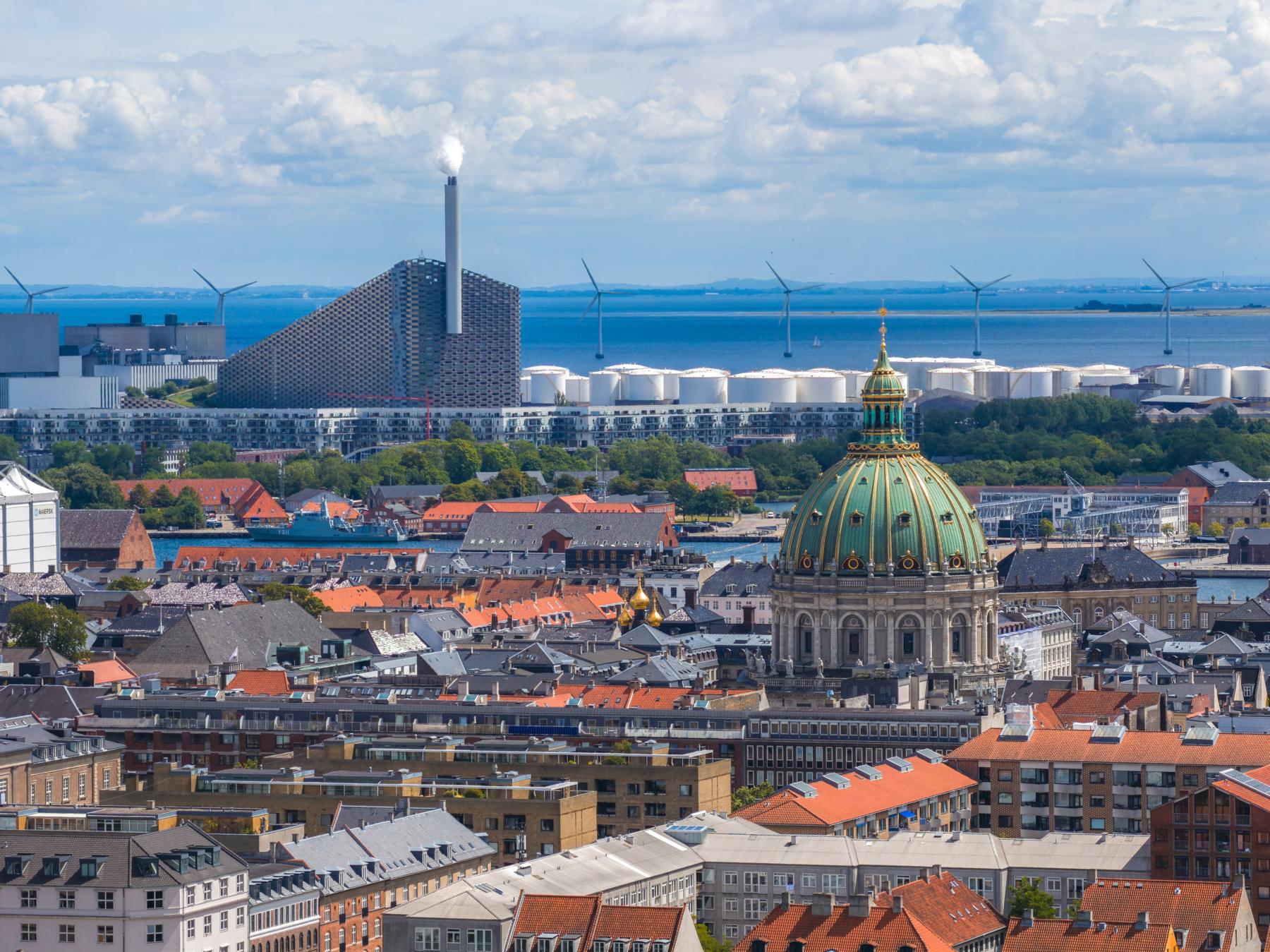
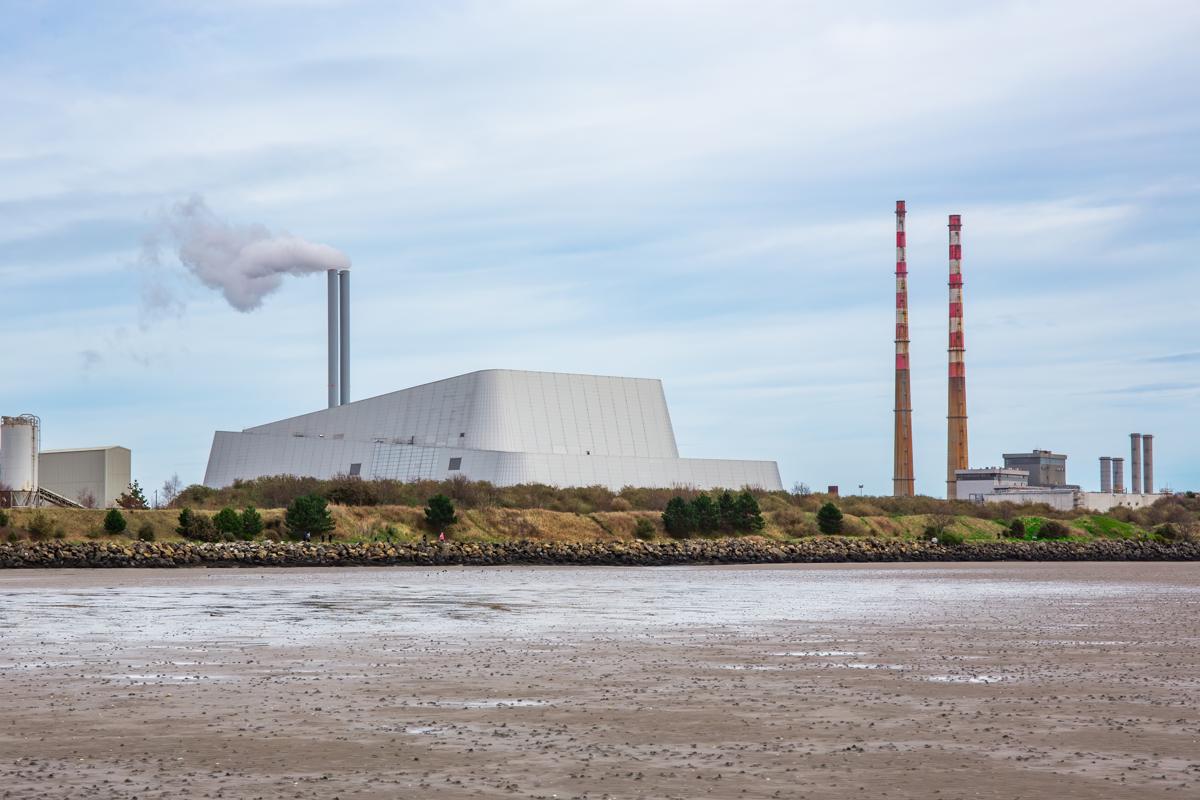
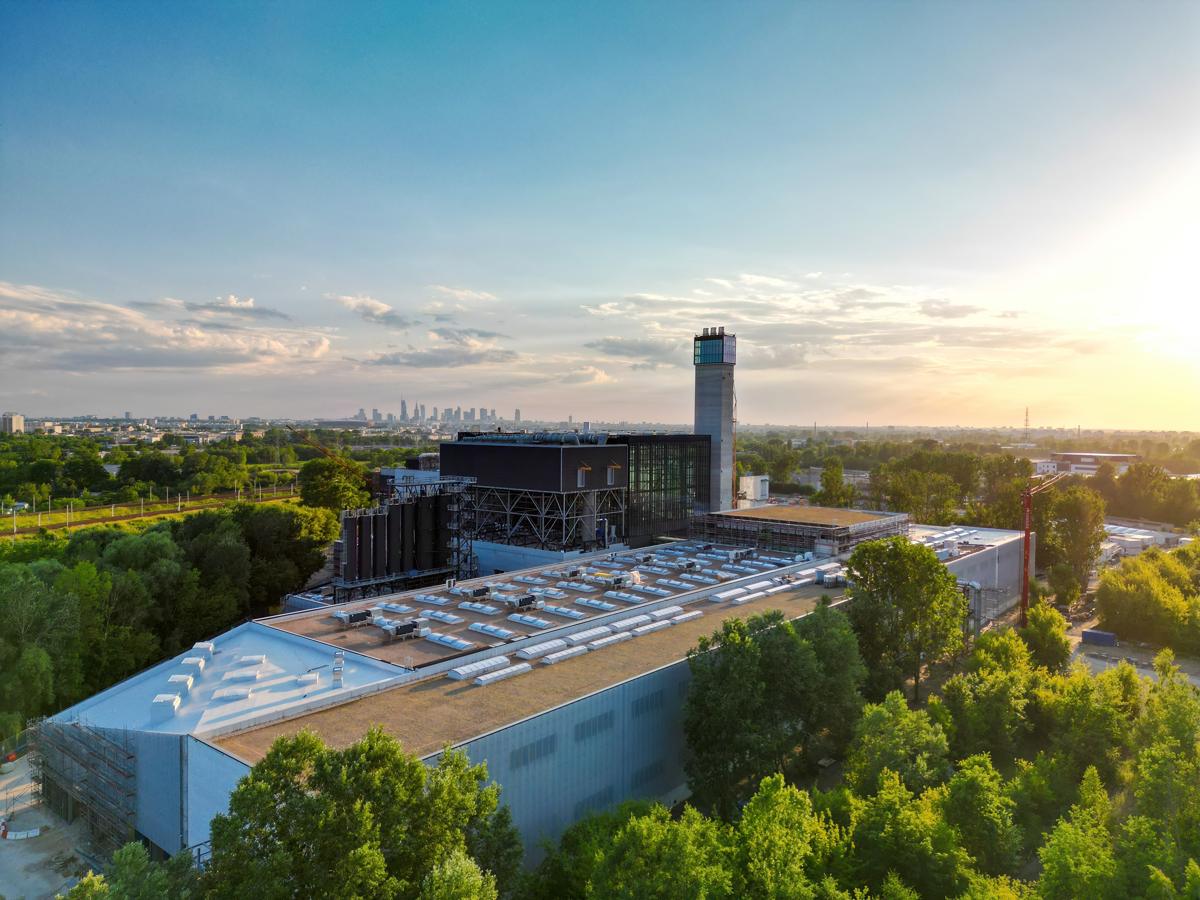
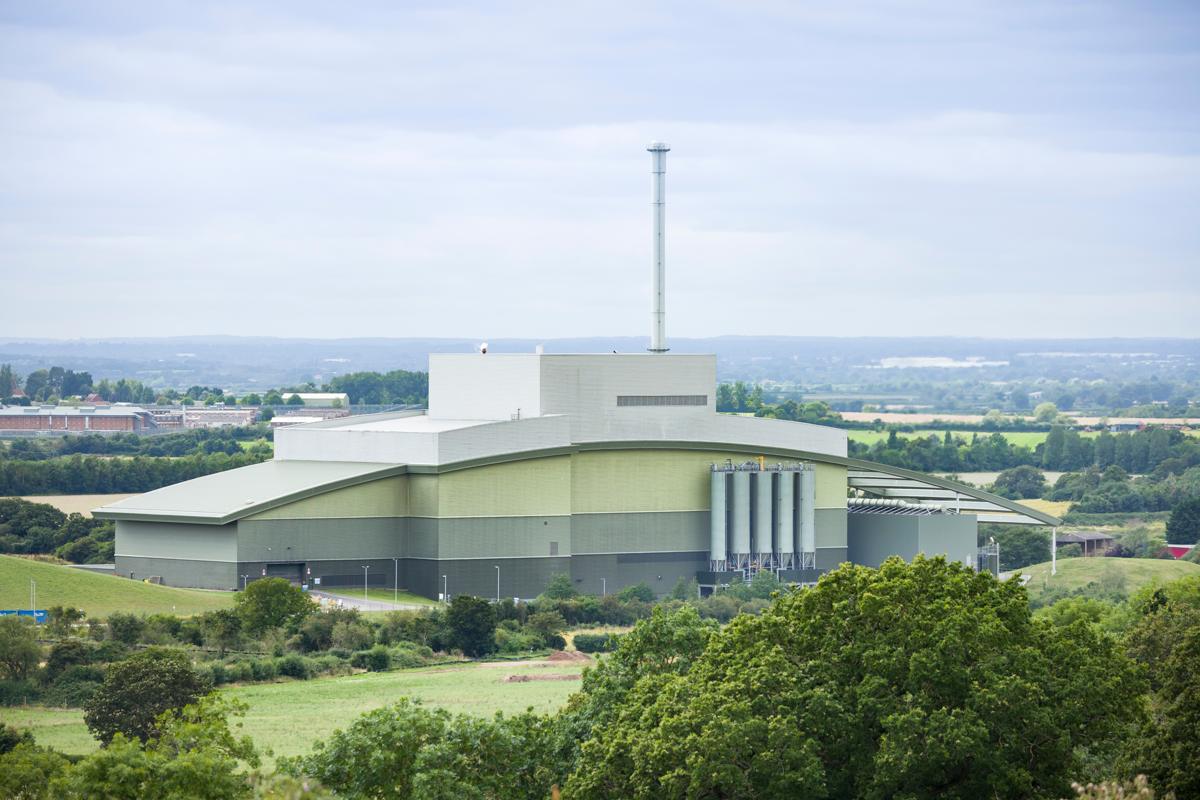
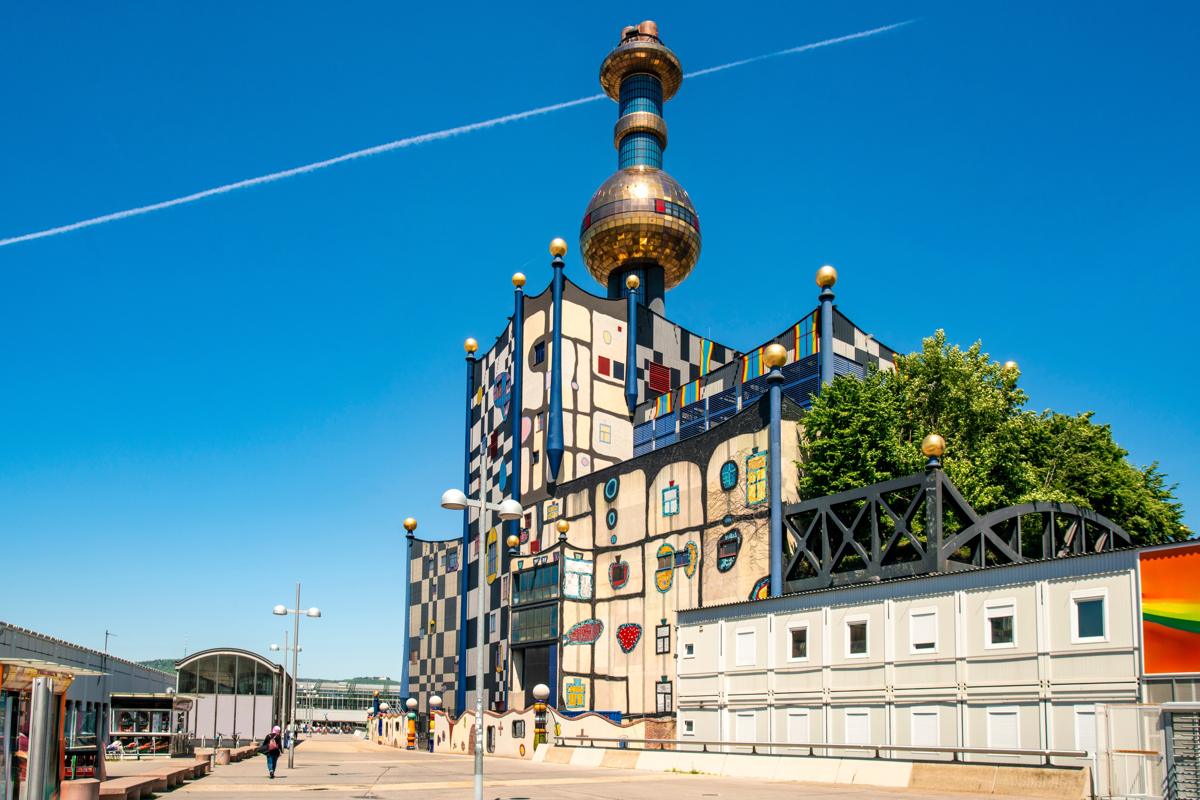
WtE plants in cities that chose not to bury their waste.